
Trying to eat better doesn’t mean you have to start meal-prepping like a fitness influencer or say goodbye to your favorite comfort foods. Small, strategic changes to your current eating habits can lead to meaningful improvements in health, energy, and well-being—without a full kitchen revolution. Whether you’re juggling deadlines or just trying to feel better each day, making mindful swaps and adjustments can pave the way. If you’re looking for simple inspiration for better meals that still feel satisfying, check out the smart suggestions as featured in The Fox Magazine.
Below are surprisingly effective ways to eat healthier—without burning your current meal routine to the ground.
Add More, Don’t Just Subtract
When people think about healthy eating, the first instinct is usually to remove things: sugar, bread, snacks, and sometimes even joy. But a more helpful mindset is to focus on adding nutrient-rich foods rather than obsessing over elimination. Toss in spinach or avocado into your sandwich. Throw a handful of berries into your morning cereal. Sprinkle nuts on a salad or yogurt. These small additions introduce more vitamins, fiber, and healthy fats without forcing you to give up familiar favorites. This approach works because it’s less intimidating and more sustainable. You still get to eat what you love, but you’re fortifying those meals with foods that work with your body instead of against it.
Watch Portion Sizes Without Counting Everything
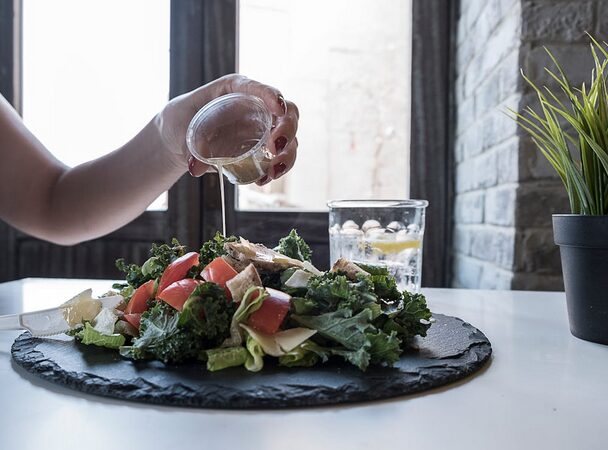
Healthy eating isn’t about measuring every bite on a scale or living with a calorie-tracking app glued to your hand. It’s often just about being a bit more aware of how much is on your plate. You can enjoy a slice of pizza—but maybe not four. The key is finding balance without becoming obsessive. Try using smaller plates or bowls. Our brains often judge fullness based on visual cues, so a modest portion on a smaller plate can be just as satisfying as a large portion on a big one. Also, eat slowly. Give your body time to register fullness. You might discover you’re content well before you reach the bottom of the bowl.
Hydration Can Make a Major Difference
Drinks are the sneakiest sources of empty calories, and staying hydrated is one of the simplest paths to healthier living. That mid-afternoon slump? It’s often dehydration in disguise. Instead of reaching for soda or an energy drink, try water with lemon, herbal tea, or sparkling water with a splash of juice. Even mild dehydration can mimic hunger, which leads to unnecessary snacking. Keeping a water bottle at your desk or in your bag makes it easier to sip throughout the day. Flavor it naturally with cucumber, mint, or berries if plain water isn’t your thing.
Don’t Demonize Convenience—Just Make Smarter Choices
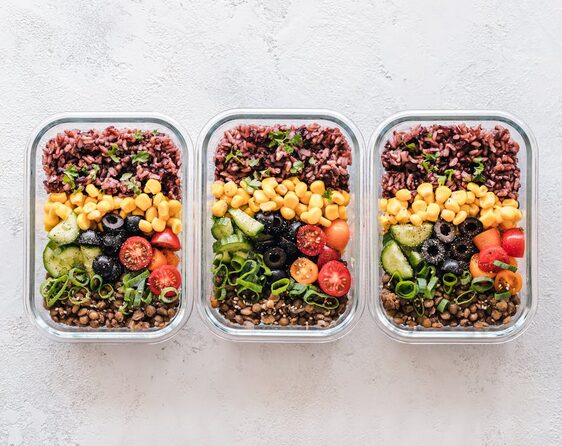
There’s a widespread myth that healthy eating means spending hours in the kitchen. But with so many semi-prepared options available today, you can make smarter choices without sacrificing convenience. For example, pre-chopped veggies, frozen fruits, rotisserie chicken, and canned beans are all shortcuts that don’t compromise nutrition. If you’re working remotely or have unpredictable schedules, having go-to meals that are both quick and nutritious is a game changer. Instead of ordering fast food out of desperation, plan a rotation of easy-to-assemble options. You can even prep components once a week to reduce effort. Eating healthier doesn’t always come from scratch—it comes from having a plan that fits your life.
Eating healthier doesn’t have to feel like a diet, a punishment, or a major project. It can start with just adding a few more nutrient-dense ingredients to your current meals, adjusting portions to reflect actual hunger, prioritizing hydration, and choosing better convenience options. These small steps are often more effective in the long run than strict diet plans or dramatic changes. Over time, your body (and mind) will thank you for creating healthier habits without giving up the flavors and foods you enjoy most.